
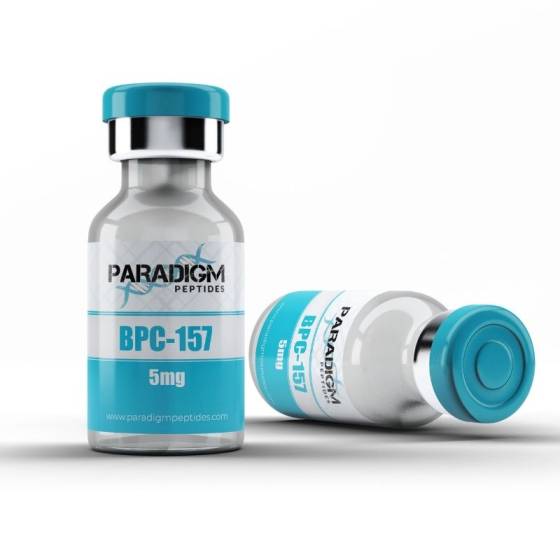
BPC-157
Concentration: 99% it comes with 99% purity , ensuring the highest quality for reliable and effective results in your research and therapeutic applications. Size: 5mg Each package contains 5 milligrams , providing a precise amount for individual experiments or targeted applications. This high-concen
About BPC-157
BPC-157 For Sale
Paradigm Peptides offers BPC-157 with high purity and potency, made for research applications. BPC-157, a synthetic pentadecapeptide, has drawn scientific interest for its potential relevance to wound healing, muscle recovery, and gut health research. Manufactured in the USA, our 5mg BPC-157 undergoes rigorous quality control for research use.
For laboratory research only. Not for human consumption.
What Is BPC-157 Peptide?
BPC 157, or Pentadecapeptide BPC 157, is a synthetic peptide made of 15 amino acids. It's derived from body protection compounds found in gastric juices, known for cytoprotective properties in research settings.
Key Features of BPC-157 Peptide
Research-Purity: 99% purity level for consistent studies
Stability: 2-year shelf life with proper storage
Solubility: Water-soluble at 0.1mg/mL
Applications: Studied for wound healing, muscle recovery, and gastric protection research
BPC 157 Benefits
Studies have explored BPC 157 across several biological research areas:
Wound Healing & Tissue Repair: Research suggests BPC 157 may support soft tissue recovery in ligaments, tendons, and muscles. A rat study indicated improved motor function and healing in spinal injury research.
Gastric Protection & Gut Health: Studies suggest BPC 157 may protect against gastric ulcers and support inflammatory bowel disease (IBD) research. It's studied for restoring gut lining integrity.
Neurological Research: Experimental models suggest BPC 157 may modulate dopamine pathways, with potential relevance to catalepsy research.